
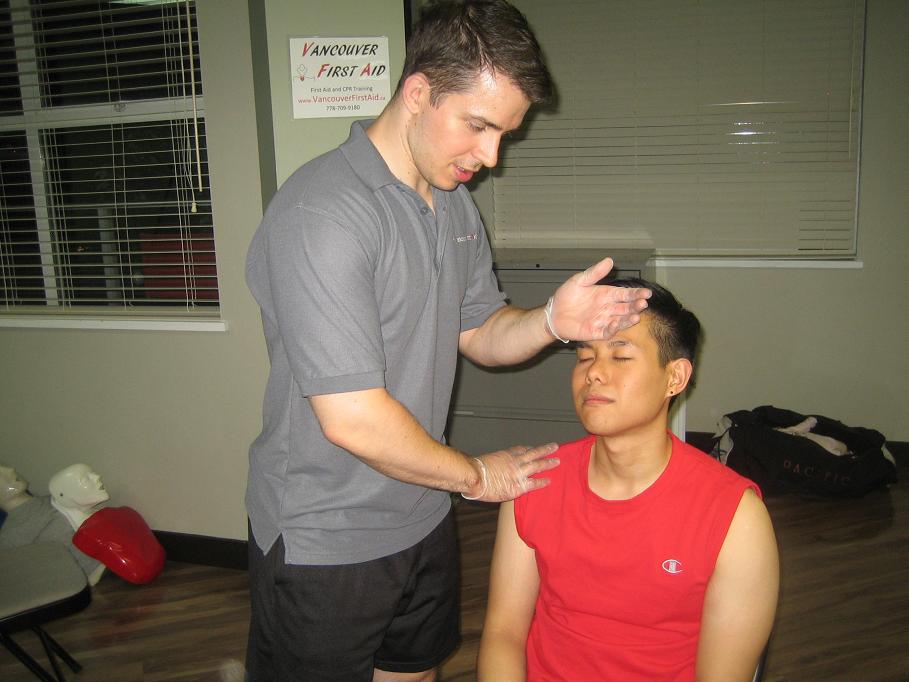
Fever – A symptom of of an AURI
Many employers and employees are unaware that acute upper respiratory infections (AURI) can be contracted in the workplace and lead to lost productivity, absenteeism, and increased healthcare costs. In fact, AURI are among the leading causes of illness-related hospital visits in Grande Prairie, especially during seasonal weather shifts.
Understanding workplace risk factors—and how first aid training supports prevention—can help both employees and employers reduce the spread of illness and maintain a healthier work environment.
What Are Acute Upper Respiratory Infections (AURI)?
AURI include infections affecting the nose, sinuses, throat, and upper airways. Common examples include colds, sinus infections, and viral respiratory illnesses. Symptoms often include:
- Fever
- Sore throat
- Cough
- Nasal congestion
- Fatigue
While many cases are mild, AURI can significantly affect work performance and spread quickly in shared spaces.
Seasonality and AURI Risk
AURI—especially those caused by viruses—are highly seasonal.
Outdoor Workers
Employees who work outdoors are at increased risk during:
- Cold Grande Prairie winters, when dry air and cold stress weaken immune defenses
- Hot summers, when dehydration and fatigue reduce resistance to infection
Because these illnesses are seasonal, workers often let their guard down, neglecting hygiene practices once they believe “cold and flu season” has passed.
Indoor Workers
Those working indoors are also vulnerable. Frequently moving between:
- Cold, air-conditioned buildings
- Hot outdoor environments
can contribute to sinus irritation, congestion, and respiratory infections.
Contagiousness in the Workplace
Many AURI are highly contagious, spreading through:
- Coughing and sneezing
- Close contact
- Contaminated surfaces
This places certain workers at higher risk, including:
- Healthcare workers
- First aid responders
- Receptionists and front-desk staff
- Employees who interact with the public
In workplaces with limited hygiene resources—such as remote or rural sites—the risk is even greater.
Environmental and Chemical Risk Factors
Not all AURI are caused solely by viruses. Some workplace environments increase risk due to:
- Mold or poor ventilation
- Dusty or unsanitary conditions
- Chemical exposure
- Poor air quality
These conditions can irritate airways, weaken immune defenses, and make workers more susceptible to infection.
The Role of First Aid Training in the Workplace
While diagnosing or treating infections is not the role of basic first aid, first aid training plays an important role in prevention and early response.
Through first aid and CPR courses, employees learn:
- Proper hand hygiene and infection control
- How to reduce cross-contamination
- When someone should stop work and seek medical care
- How to support an ill coworker safely
These skills help reduce the spread of illness and can lower workplace absenteeism during peak seasons.
First Aid Training for Healthier Workplaces in Grande Prairie
Grande Prairie First Aid provides training that supports safer, healthier workplaces year-round—whether employees are managing illness risks during harsh winters or busy summer work seasons.
👉 Learn more about Workplace First Aid Courses
👉 View available First Aid and CPR Courses
First aid training empowers employees with practical knowledge that supports infection prevention, workplace safety, and team well-being.
.